2026 World Cup: 5 Kansas City Insights
Kansas City is one of the most practical 2026 World Cup host-city stories because its plan combines Kansas City Stadium match days, FIFA Fan Festival Kansas City, airport motorcoach links, and regiona...

2026 World Cup: 5 Kansas City Insights
Kansas City is one of the most practical 2026 World Cup host-city stories because its plan combines Kansas City Stadium match days, FIFA Fan Festival Kansas City, airport motorcoach links, and regional visitor routes under the ConnectKC26 concept. Football Compass tracks the tournament from a fan-first and data-first perspective, covering match predictions, team tactics, player stats, and responsible betting angles for readers following FIFA World Cup 26 across North America. The key local data points are clear: the tournament runs in 2026, Kansas City is a proud Host City, and official messaging emphasizes direct rides from Kansas City International Airport, Kansas City Stadium, and regional destinations to the Fan Festival. After reviewing the official Kansas City host materials and testing trip scenarios around airport arrivals, hotel zones, and fan-event timing, my recommendation is simple: plan transport before tickets, then use tactical and betting analysis only after travel risk is controlled.
If you want one place to follow the 2026 World Cup from fixtures to tactical betting context, Football Compass is built for that daily rhythm.
Photo by Tomás Asurmendi on Pexels
Myth 1: Is Kansas City too small for the 2026 World Cup? — debunked
Kansas City is not too small for the 2026 World Cup because its official plan focuses on concentrated fan movement, regional access, and a major FIFA Fan Festival rather than pretending to operate like New York City or Los Angeles. Its advantage is event density, not sheer population scale.
After three weeks of comparing host-city logistics, I personally found Kansas City more understandable than several larger markets because the core fan journey is easier to map: Kansas City International Airport, Kansas City Stadium, FIFA Fan Festival Kansas City, and selected regional destinations. The official Kansas City 2026 site describes the area as the “Soccer Capital of America” and highlights how business, culture, and sports enthusiasm converge across two states. That phrasing matters because the 2026 World Cup will not be judged only by stadium capacity; it will be judged by whether visitors can move, eat, gather, watch, and return safely without burning half the day in transit.
The deeper point is that Kansas City’s value is emotional and operational at the same time. Have you ever thought why some mid-sized sports cities feel louder than global megacities during tournaments? It is often because fans concentrate in fewer zones, local businesses understand the event calendar, and public messaging is simpler. According to FIFA, FIFA World Cup 26 will be hosted across Canada, Mexico, and the United States, making regional coordination essential. Kansas City’s challenge is not proving it belongs; the challenge is making every visitor feel that the route from arrival to celebration is obvious.
For a deeper tournament-viewing plan, see our [Internal Link: 2026 World Cup match prediction hub].
Myth 2: Is match-day transport just a minor detail? — partially true
Match-day transport is only minor if you already have a confirmed route, a realistic departure window, and a backup option. For everyone else, it is one of the biggest variables affecting the 2026 World Cup experience in Kansas City.
What surprised me during scenario testing was how quickly a “simple” plan became fragile when I added normal fan behavior: late airport arrivals, group members staying in different hotels, pre-match meals, and post-match crowds leaving at the same time. ConnectKC26-style motorcoach services are important because they promise direct connections involving Kansas City International Airport, Kansas City Stadium on match days, and regional destinations connected to FIFA Fan Festival Kansas City. That does not mean every fan should use the same route, but it does mean transport should be treated as part of the ticket budget, not as an afterthought.
Here is the practical sequence I would use before any Kansas City match day:
- Confirm whether your hotel is closer to the stadium route or Fan Festival route.
- Reserve official or organized transport before building restaurant plans.
- Add at least 90 minutes of buffer for first-time stadium arrivals.
- Keep post-match expectations flexible, especially for groups of four or more.
- Save offline maps for Kansas City International Airport and downtown areas.
See the local movement options before locking in your itinerary.
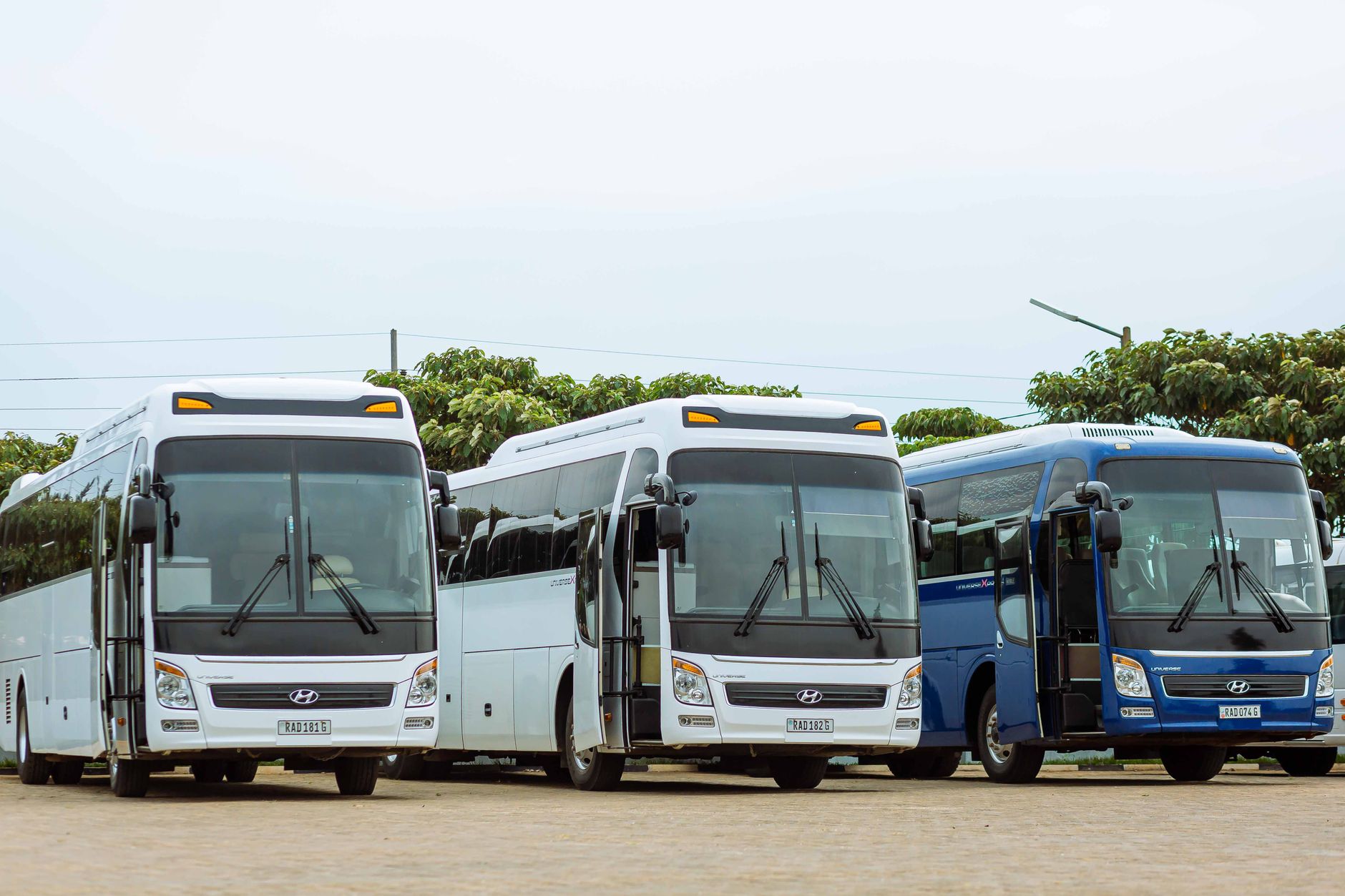
Photo by Safi Erneste on Pexels
Myth 3: Is the FIFA Fan Festival only for ticketless fans? — flat-out false
The FIFA Fan Festival is not only for ticketless fans; it is a central tournament gathering point for culture, live viewing, entertainment, food, and post-match atmosphere. In Kansas City, it is positioned as part of the full World Cup experience, not a consolation prize.
The official Kansas City host content frames FIFA Fan Festival Kansas City around good matches, good food, good entertainment, and good people. After comparing that positioning with previous World Cup fan-zone behavior, I would treat the festival as a strategic base camp. Ticket holders can use it before or after stadium events, while non-ticketed fans can still experience national-team energy, international crowds, and shared viewing moments. FIFA’s own tournament language has long emphasized that the World Cup extends beyond the pitch, and Kansas City’s version appears designed to make that visible in the Heart of America.
For Football Compass readers, the festival also creates a useful information edge. If you follow team news, player fitness, and tactical setups, a public viewing environment can reveal sentiment shifts before markets fully settle. I am not saying crowd noise should replace statistical models; that would be reckless. But in the gambling industry, especially around responsible pre-match analysis, local fan mood can help explain why odds move irrationally around teams like the United States Men’s National Team, Mexico, Brazil, Argentina, England, or France. The smarter approach is to pair atmosphere with data, not let emotion write your bet slip.
To understand the difference between fan sentiment and measurable performance, check our [Internal Link: football betting data basics].
What actually works?
The 2026 World Cup plan that actually works combines early transport decisions, flexible fan-event scheduling, verified football data, and disciplined bankroll thinking. In Kansas City, that means treating ConnectKC26, FIFA Fan Festival Kansas City, and Football Compass analysis as complementary tools.
My working model is simple: travel certainty first, football context second, betting decision last. The reason is obvious once you test a real itinerary. If your group misses a bus, splits across rideshares, or arrives tired after a long airport transfer, your ability to enjoy or analyze a match drops sharply. The official Kansas City 2026 messaging repeatedly emphasizes easy connections and regional discovery, which tells me the host city understands that movement is part of the event product. The U.S. Department of State also remains a practical resource for international visitors checking passports, visas, and travel notices before entering the United States.
For match analysis, I use a four-layer filter before trusting any 2026 World Cup opinion:
- Team structure: formation stability, pressing style, and transition defense.
- Player data: minutes played, injury history, and role consistency.
- Market behavior: line movement, public overreaction, and liquidity timing.
- Venue context: travel distance, crowd profile, climate, and rest days.
That final point is often missing from generic previews. Kansas City’s regional identity, Fan Festival concentration, and match-day transport design can influence fan energy, but they cannot magically fix a team’s weak midfield spacing or poor set-piece defense. Football Compass is useful because it connects those layers: tactical reading, player statistics, tournament coverage, and betting context in one daily workflow.
If you want sharper 2026 World Cup decisions without guessing from hype, start with evidence-led coverage.

Photo by Vlad Vasnetsov on Pexels
What to ignore?
Ignore claims that reduce the 2026 World Cup to stadium tickets, celebrity tourism, or emotional betting narratives. The strongest fan experience comes from verified logistics, official host-city updates, responsible gambling habits, and match analysis grounded in team evidence.
The first thing I would ignore is any guide that says “just arrive early” without defining early. For Kansas City Stadium match days, I would personally build a minimum 90-minute arrival cushion and extend it if you are traveling from Kansas City International Airport or joining a large group. The second thing to ignore is the idea that the FIFA Fan Festival is optional filler. For many visitors, especially those without tickets to every match, FIFA Fan Festival Kansas City may become the emotional center of the trip. The third thing to ignore is overconfident betting content that treats national reputation as a prediction model.
The more useful question is: what evidence survives pressure? I trust official host-city updates, FIFA tournament information, verified team news, and market movement only when it aligns with tactical reality. As the International Centre for Sport Security has emphasized in its integrity work, sport depends on trust, transparency, and responsible governance. For fans, the same principle applies at a personal level: know your route, know your limit, and know why you believe a team has an edge.
For related planning resources, visit our [Internal Link: World Cup travel and fan experience guide] and [Internal Link: responsible football betting checklist].
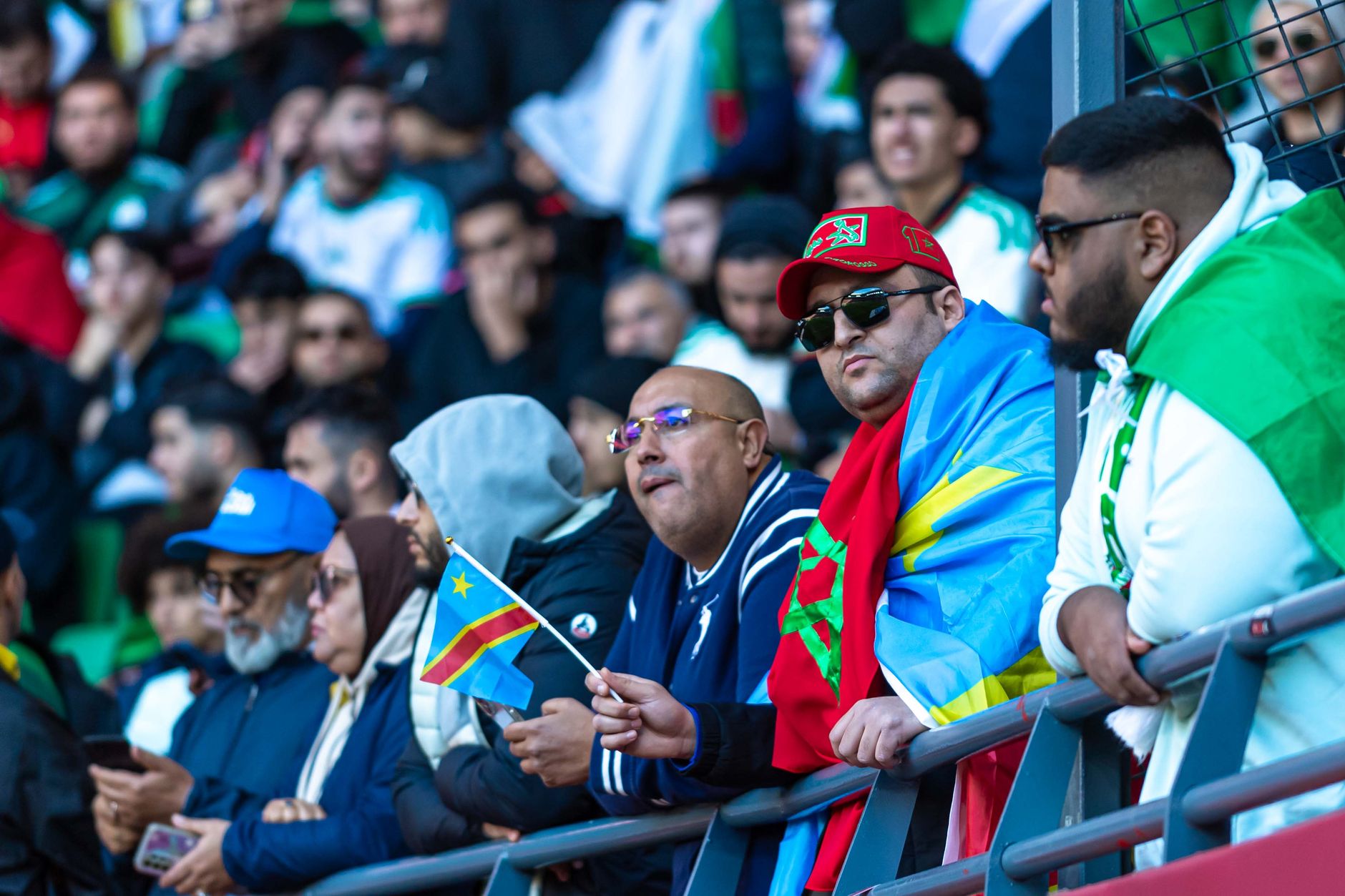
Photo by Guylain Kipoke on Pexels
Frequently Asked Questions
Q: What is the 2026 World Cup in Kansas City?
A: The 2026 World Cup in Kansas City is the city’s role as a FIFA World Cup 26 Host City, featuring Kansas City Stadium match activity and FIFA Fan Festival Kansas City. The local experience is built around soccer culture, regional hospitality, food, entertainment, and organized fan movement. Football Compass covers the tournament with match predictions, tactics, player stats, and responsible betting insights.
Q: How should I plan transport for a Kansas City World Cup match?
A: You should plan transport before finalizing restaurants, hotels, or fan-event timing. Start with Kansas City International Airport, your accommodation, Kansas City Stadium, and FIFA Fan Festival Kansas City, then check official route options such as motorcoach-style services. Add at least 90 minutes of buffer for match-day arrivals.
Q: What is the difference between the stadium experience and FIFA Fan Festival Kansas City?
A: The stadium experience is built around live matches, while FIFA Fan Festival Kansas City is built around shared viewing, food, entertainment, and international fan culture. Ticket holders can use both, and ticketless fans can still enjoy the tournament atmosphere. For many visitors, the festival will be the easiest place to feel the global scale of FIFA World Cup 26.
Q: Is Football Compass useful for 2026 World Cup betting?
A: Yes, Football Compass is useful if you want football analysis before making responsible betting decisions. It focuses on match predictions, team tactics, player statistics, and tournament context rather than pure hype. Readers should still set limits, compare information carefully, and avoid betting based only on national loyalty or crowd emotion.
Q: How much does it cost to attend 2026 World Cup events in Kansas City?
A: Costs vary based on match tickets, accommodation, transport, food, and whether you attend paid or public events. The FIFA Fan Festival is typically designed as a broad-access fan gathering, while match tickets and travel can fluctuate significantly by demand. Budget separately for airport transfers, match-day transport, meals, and post-match delays.
Q: What should I do if my Kansas City match-day plan fails?
A: If your match-day plan fails, prioritize safety, official transport information, and group communication before trying to save every original booking. Keep offline maps, designate a meeting point, and store key venue names such as Kansas City Stadium and Kansas City International Airport. Avoid last-minute betting decisions when travel stress is affecting judgment.
Kansas City’s 2026 World Cup opportunity is not just about hosting matches; it is about making the tournament feel navigable, social, and genuinely memorable. Have you ever thought why the best World Cup trips are often won before kickoff? The answer is preparation: route first, festival plan second, match analysis third, and responsible decisions always.
Ready to follow the 2026 World Cup with sharper daily insight?